
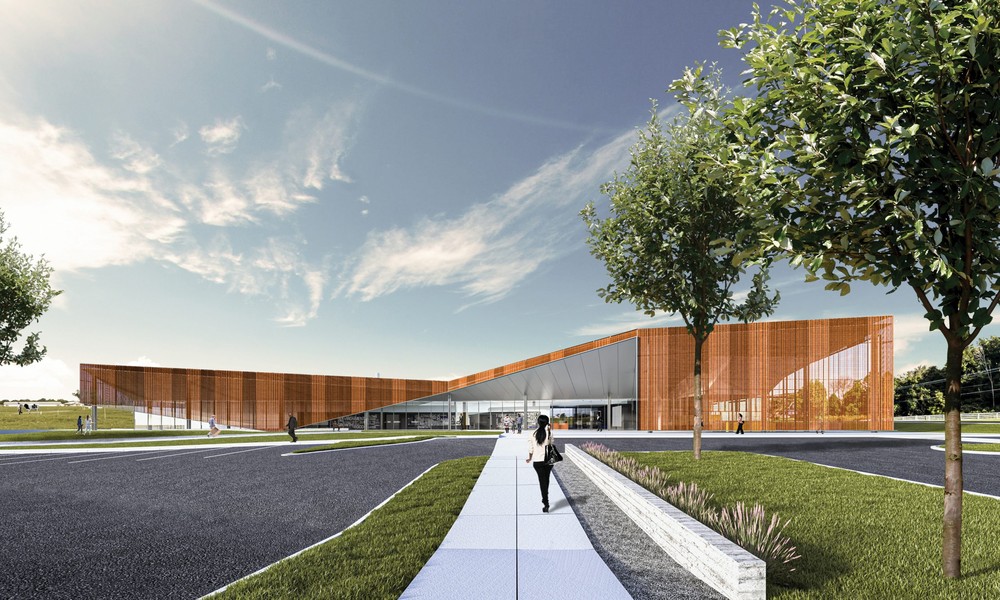
Food doesn’t just arrive on shelves magically fresh and perfectly packaged. Behind every loaf of sliced bread, box of ready-to-cook chicken, or crate of beautifully uniform produce is a facility shaped by intricate architectural decisions. In food processing, the way a space is designed can make or break a company’s bottom line.
What Is Food Processing Architecture and Why Does It Matter?
Food processing architecture is more than a blueprint for walls and walkways. It’s the art and science of shaping spaces around the needs of fast-moving production lines, ever-tightening regulations, and relentless pressure to keep costs, and contamination, down. Facilities built with a smarter architectural approach don’t just look better on paper; they function better in real life, boosting productivity, minimizing downtime, and keeping food safer as it moves from raw material to finished product.
How Does Smarter Architecture Enhance Productivity in Food Processing?
Design is the silent partner in every efficient food plant. Smart architectural choices can shave valuable seconds off every step, turn complex workflows into seamless routines, and help workers stay focused on what matters most.
What Design Elements Improve Workflow Efficiency?
The layout is everything. Placing ingredients, machinery, and staff flow so they align with sequence of operations reduces wasted motion and eliminates bottlenecks. Wide corridors, clear sightlines, and strategically positioned access points mean fewer delays. Lighting and ergonomics are crucial, too. A well-lit, intuitively designed space keeps morale high and mistakes low.
How Do Layouts Minimize Contamination and Downtime?
A facility built for hygiene starts with the architecture. Separate zones for raw and finished products, dedicated handwashing stations, and easy-to-clean surfaces all support rapid sanitation. Smart layouts also simplify equipment maintenance, allowing repairs to happen without shutting down entire lines. When downtime is measured in minutes, every thoughtful design choice matters.
In What Ways Does Architecture Accelerate Food Processing Speed?
Time is money in food processing. Every architectural tweak that streamlines the path from delivery to shipment means fresher products and higher profits.
How Can Material Choices Impact Processing Times?
Flooring that resists staining and drains easily speeds up cleaning between shifts. Walls and ceilings made from non-porous, antimicrobial materials reduce the risk of lingering contaminants, allowing faster changeovers between product runs. Thoughtful use of glass and steel, for example, combines durability with ease of inspection and maintenance.
What Role Does Automation Integration Play?
Modern food plants are now digital ecosystems. Seamless integration of automation, robotic arms, conveyor belts, real-time trackers, depends on an architectural design that anticipates these technologies. Running utility lines above ceilings, leaving room for sensors, and creating flexible spaces make it easier to upgrade with the latest innovations.
Which Technologies Complement Smarter Food Processing Architecture?
The race to build the fastest, safest food facilities relies on more than strong walls and perfect piping.
How Are Data Centers and Hi-tech Facilities Integrated?
High-volume food processors increasingly rely on in-house data centers to manage inventory, track processing times, and monitor quality in real-time. Smart architecture positions these digital nerve centers close to the production floor, optimizing both accessibility and security.
What Innovations Drive Real-time Monitoring and Control?
Sensors in walls and equipment send instant alerts about temperature fluctuations or equipment malfunctions. Advanced HVAC systems keep air quality and climate in check. Control rooms oversee every process, allowing managers to spot issues and reroute staff long before problems escalate.
What Are the Challenges in Designing Food Processing Facilities?
Every food plant exists in a tug-of-war between operational goals and external pressures.
How to Balance Regulatory Compliance with Operational Needs?
Stringent food safety and building regulations shape everything, from ceiling heights to drainage slopes. However, overly rigid designs can stifle a facility’s ability to adapt. The smartest architects find ways to embed compliance into flexible layouts, so as regulations evolve, the facility can keep up.
What Solutions Address Scalability and Flexibility?
Predicting production volumes is tough. Modular design, with walls and utilities that can be reconfigured or expanded, allows companies to scale up or pivot as needed. Mobile equipment, flexible workspaces, and multi-use rooms support fast changeovers between product lines.
How Have Leading Companies Benefited from Smarter Food Processing Architecture?
Lessons learned on the factory floor drive the next wave of innovation.
What Can Be Learned from Canada Bread and Maple Leaf Projects?
Projects like the expansive Canada Bread facilities in Moncton, Québec, and Woodstock or the Maple Leaf plant in Winnipeg reveal the power of custom architectural solutions. These plants demonstrate the speed, hygiene, and adaptability that result from purpose-built design, rather than retrofitted spaces.
How Does Stendel + Reich’s Approach Set Industry Standards?
Firms like Stendel + Reich food processing architect have helped set the pace, delivering facilities that balance performance, flexibility, and regulatory compliance. By integrating automation, future-proofing layouts, and prioritizing food safety, they provide blueprints that others follow.
How to Plan Your Own Food Processing Facility for Maximum Efficiency?
Success begins before the first brick is laid.
What Are the Key Considerations Before Starting?
A clear understanding of your throughput needs, product types, future expansion goals, and regulatory landscape informs every architectural decision. Engage stakeholders early to anticipate bottlenecks and special requirements.
How to Collaborate Effectively with Architects and Engineers?
Share detailed process flows, involve cross-functional teams in design discussions, and be candid about pain points from past facilities. Look for architects who listen, adapt, and bring practical food industry expertise.
What Does the Future Hold for Food Processing Architecture?
As demands for speed, traceability, and sustainability rise, tomorrow’s food facilities will be smarter, greener, and even more adaptable. Digital twins, AI-assisted layout optimization, and ultra-hygienic materials are already shaping the next generation. In a world where every second counts, the smartest architecture will always give a decisive edge.